Is AI Changing Oral Health in the UK?
Dental diagnostics traditionally depended heavily on the skilled eye of the dentist, assisted by X-rays and manual examinations. While it’s effective, this method isn’t 100% reliable; human errors and subtle indicators of illness can result in missed diagnoses.
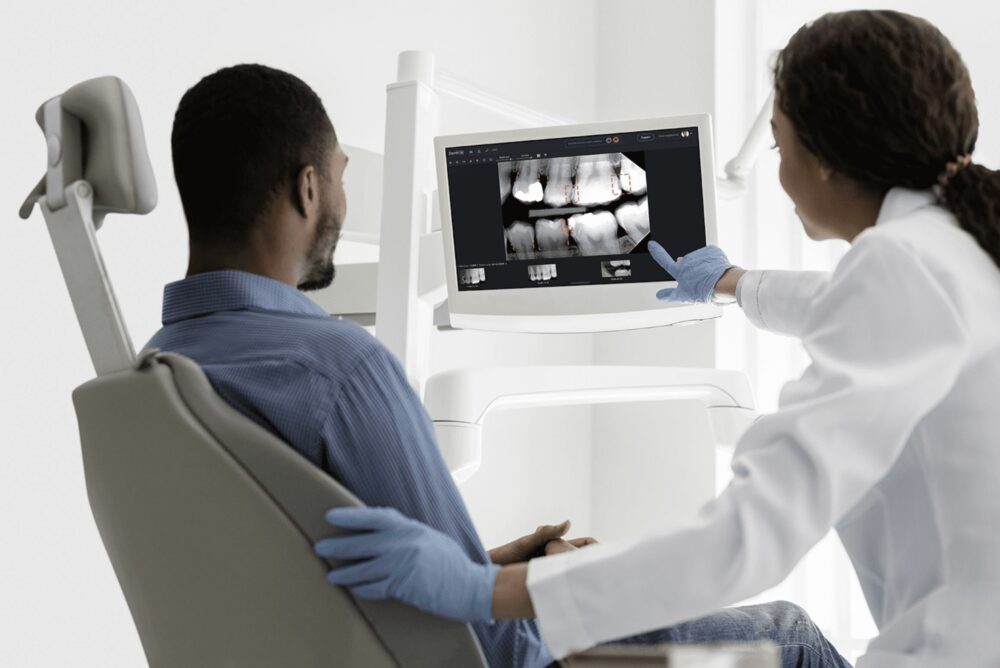
Discover the AI-powered diagnostic instruments. These tools use machine learning algorithms to analyze dental images with a remarkable level of accuracy. When comparing the scans of a patient against thousands of other scans, AI can identify patterns and irregularities that may be obfuscated by even the most knowledgeable dentist.
An article published by the British Dental Journal found that AI systems can detect early signs of tooth decay or gum disease with as high as 95 100% accuracy. This degree of accuracy ensures that problems are detected early, resulting in more minimally invasive procedures and improved outcomes for patients.
Transforming Cosmetic Dentistry
Cosmetic dentistry is a field in which AI’s influence is important. Techniques such as veneers in London are becoming increasingly sought-after by people looking to improve their smiles. AI technology assists dentists in designing veneers that aren’t just visually pleasing, but additionally functionally better.
By using Digital Imaging using digital imaging AI algorithm, dental professionals are able to build a 3D model of the mouth of a patient. This model enables precise planning of the placement of veneers, which ensures an exact alignment and fit with the natural teeth of the patient. This results in a perfect smile that appears and feels natural.
Enhancing Patient Experience
Beyond the technical aspects of dental treatment, AI is also improving the overall experience for patients. Dentist anxiety can be a frequent problem, and many people avoid visiting the dentist due to anxiety or discomfort. AI-driven technology may alleviate some of these issues.
VR (VR) as well as AI are used to provide an immersive experience that can distract patients from procedures. AI chatbots are able to provide immediate answers to questions from patients, reducing anxiety and making sure they are at ease and informed.
Additionally, AI scheduling systems make scheduling appointments much more efficient. Patients can choose the time that is most convenient for them without having to switch between traditional methods of booking.
Preventative Care and Patient Education
It is never better to prevent than treat, and AI is playing an important role in educating patients on dental health. Individualized AI software can analyze the history of a person’s oral health as well as lifestyle and genetics to offer personalized recommendations.
For example If the patient may be at risk for developing gum disease due to a genetic predisposition for gum disease, the AI system could suggest specific dental hygiene practices such as diet changes, and regular checks- New Solutions Journal. This proactive approach allows patients to manage their dental health.
The Role of AI in Orthodontics
Orthodontic procedures, like aligners and braces, have also profited from AI advancements. Businesses are utilizing AI to create clear aligners that move teeth more efficiently. The AI algorithms can predict tooth movement and optimize the treatment plan based on that.
This technique reduces treatment times and enhances patients’ comfort. Patients who live in London seeking orthodontic treatments are now able to achieve the desired results qmore quicklyand with less hassle.
AI and Dental Surgery
In the field of dentistry, AI has made procedures safer and more precise. A robotically-assisted procedure that is assisted by AI can complete difficult tasks without requiring any intervention. These systems can design the path of surgery, eliminating critical structures and reducing the chance of complications.
Although still in its early sstages AI-assisted dental surgery has promise for procedures like dental implants as well as orthodontic jaw surgery.
Data Security and Ethical Considerations
With all the advantages AI offers, it’s important to consider concerns over privacy and data security. AI systems depend on huge quantities of patient information to work efficiently. Dental practices need to ensure that the data is securely stored and is used in accordance with the regulations, such as those of the General Data Protection Regulation (GDPR).
Transparency is essential. Patients should be aware of the use of their personal information and should be able to opt out if they wish. Ethical considerations should also include the need to ensure that AI doesn’t take over the human touch, which is vital for healthcare.
Bridging the Gap: Human and AI Collaboration
AI serves as a means used to improve, not replace, the skills of dentists. The most effective results are obtained by dentists who use AI to assist their clinical judgment. This approach to collaboration ensures that patients get the benefits of modern technology, but without losing the personal touch, which is essential in the field of health care.
The Impact on Dental Education
The development of AI is also impacting dental education. Dental schools are adding AI education into their curriculum to help prepare future dentists. Learning how to use AI tools is now an essential requirement for all dentists who are new to the profession.
This change in the way of education will ensure that the future dentists can fully harness the potential of AI and further advance the field of dentistry.
Access to Care
AI can enhance access to dental care, particularly in areas with low access. Teledentistry,s powered by AI, can allow patients to have basic examinations and consultations online. This technology allows patients from rural areas to access specialists in urban centers like London.
By reducing geographic barriers, AI can help address differences in oral health availability across the UK.
Challenges Ahead
Despite the positive advancements, there are still challenges. The expense of the implementation of AI technologies could be prohibitive for smaller businesses. Also, there’s a steep learning curve with these new technologies that requires time and money to train.
The regulatory frameworks must be updated with technological advances in order to ensure patient safety as well as data security. Collaboration between stakeholders from the industry regulators, as well as dental practitioners, is vital to overcome these issues.
- Looking Forward: The Future of AI in Dentistry Prospects for AIinr dentistry look promising with continuous research and development ppavingthe way for more advancements. Potential developments include.
- Advanced Robotics: Robots that are capable of doing regular dental treatments under the guidance by dentist.
- AI-Driven Biomaterials: The development of new filling materials and crowns, as well as veneers in London thatcano adapt to the oral environment of the patient.
- Predictive analytics: AI systems that can anticipate future dental issues through a thorough analysis of the data.
- Virtual Reality Training: Enhanced dental training tools that utilize AI and VR. They model intricate procedures.
- If you are considering cosmetic dental procedures, these advances provide greater results, more options, and a more pleasant experience in general.
Conclusion
Artificial intelligence is altering the dental industry across the UK. From improving diagnostics to increasing aesthetic procedures, AI has many benefits that are transforming the way dentists and patients view dental health.
Clinics such as Marylebone Smile Clinic, under the supervision of experts such as Dr. Sahil Patel, are leading the way in this change. Through the use of AI and incorporating AI, they can offer patients the latest in dental care that blends technological advancement and personal care.
For Londoners as well as those throughout the UK The introduction of AI into dental care promises an era where dental care is more affordable,e efficient, cost-effective, and personalised to each patient’s specific requirements.