
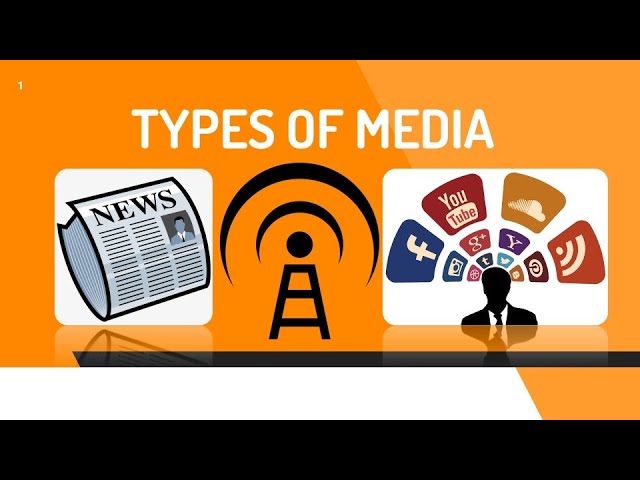
Eight Different Media Types You Need to Know
The process of buying media is the practice of buying advertisements the space as well as time different media platforms in the hopes of promoting a particular product, service, or brand to the public. It is a strategy to select the most efficient channels and negotiate the most effective rates to increase the return on investment.
8 Types of Media: The Best Media to Buy
1. Traditional Media buying
Traditional media buying is the process of buying advertising space or time directly from media outlets like TV, radio, newspapers, and magazines. This approach is characterised by personal discussions with sales representatives of the edmedia and usually involves manual procedures. For instance, a business could buy 30 seconds of commercial space on a popular TV show or even a full-page advertisement in an important newspaper.
Despite the increasing popularity in the use of digital ads, traditional media buying can still be effective in reaching wide audiences and is frequently employed in conjunction with contemporary digital strategies.
2. Programmatic Media buying
Programmatic media purchasing makes use of automated technology to buy advertising space in real-time. This technique makes use of algorithms and data to target particular groups more efficiently and precisely than conventional methods.
With the help of demand-side platforms (DSPs), advertising companies can place bids on ads across various websites and apps. Programmatic buying allows instant adjustments and optimization to ensure that ads reach the correct people at the right moment, increasing effectiveness and reach.
3. Direct Media buying
Direct media buying is the process he negotiating and purchasing advertising space directly from a publisher without intermediaries. This gives you more control over placement and can result in higher-quality ads.
For instance, a company could bargain directly with a reputable site or blog with a large traffic to show its banner ads over a certain period of time. Direct buying can be beneficial for advertisers who want guaranteed places and are willing to invest in a high-quality inventory.
4. Real-Time Bidding (RTB)
“Real-Time Bidding” (RTB) is a kind of buying programmatically where impressions are sold and bought during auctions in real-time. Every time a website page is loaded, an auction is held to bid on the advertising space that is available on the page.
The bidder with the highest price will show their ad. RTB can be used to create extremely targeted ads, as the bids are based on information, including the browsing history and demographics. This technique assures that ads are presented to the audiences that are most relevant and maximizes the chance of interaction and conversion.
5. Private Marketplaces (PMP)
Private Marketplaces (PMPs) are invitation-only services that allow publishers of high-quality content to provide their advertising inventory to a small number of advertisers.
PMPs offer a more secure environment than open exchanges and guarantee the safety of brands, and ensure premium placements. Advertisers can benefit from having access to exclusive inventory as well as the possibility of negotiating conditions directly with the publishers. PMPs are ideal for companies that value quality and will pay a premium to secure places on reliable websites.
6. Social Media
Social media buying is the process of purchasing ads across social platforms, such as Facebook, Instagram, Twitter, LinkedIn, and TikTok. Advertisers can target their users according to demographics, interests, or behaviors, as well as certain interactions they’ve had with their brands.
Social media buying permits extremely engaging and interactive ad formats such as stories, sponsored posts that are sponsored and even videos. This strategy is especially efficient for reaching particular groups of people and encouraging an immediate interaction with potential customers.
7. Influencer Marketing
Influencer marketing involves partnering with influencers–individuals with a significant following on social media or other platforms–to promote products or services. Influencers make content that is branded with the brand and leverage their authority and connection with their followers to increase attention and sales.
This kind of media buying builds on trust and reassurance that influencers have earned among their fans, which makes it a valuable option for companies seeking to engage with their niche audience with authenticity.
8. Search Engine Marketing (SEM)
Search Engine Marketing (SEM) is the process of purchasing advertisements to be displayed on search engine result webpages (SERPs). These ads are typically purchased through websites like Google Ads and could be seen in the form of text ads, advertising for shopping, or as display ads.
SEM lets advertisers place bids on relevant keywords to their offerings or products and ensure that their ads are displayed when people look up those keywords. This method is extremely efficient for capturing intent-driven traffic since it targets people who are actively searching for information or solutions that relate to the product or service offered by the advertiser.
The importance of buying media
- Increases the reach of the audience: Reached an important and large audience.
- Cost-Effective: Finds the most affordable prices for advertising space.
- Precise Targeting: Targets particular groups of people based on information.
- Flexible and controllable: Allows changes and adjustments in real-time.
- Improves Brand Awareness: Enhances brand visibility.
- Data-Driven: Utilizes data to make educated decisions.
- Competitive Edge: Helps keep brand names visible in a highly competitive market.
- Cross-Platform Consistency: Provides uniform messages across channels.
- The ability to access Premium Ads ensures high-quality ad placements.
- Make sure that the brand is safe by placing advertisements in secure and appropriate settings.
- Measurable Results: Tracks and evaluates the performance of advertisements effectively.
FAQs on the subject of types of media buying
What are the different categories of buying media?
Media buying is classified in traditional media (TV, printing, radio, and outside) as well as digital media (onlinedisplayy social media, and ads on search engines). Additionally, it includes programmatic media buying that makes use of automated systems that allow for real-time advertising spots across all digital platforms.
What are the ways to go about buying media?
Methods for buying media include direct purchasing, where advertisers buy ad space direct from the media outlet programmatic buying, which makes use of automated technology such as DSPs as well as RTB to purchase advertisements in real-time auctions, agency buying which is in which media companies negotiate, and buy ads for clients on their behalf; Private marketplace (PMP) buying which is an private, invitation-only auctions to purchase the most expensive advertising inventory.
What are the main sources of buying media?
Media buying sources comprise media owners (such as radio stations, TV channels, or online media publishers) who market ad space directly and ad networks that connect advertisers to multiple sites for advertising placements. Demand-side platforms (DS), which facilitate purchasing programmatically, as well as media buying agencies that specialize in negotiating and managing advertising placements across different media channels.
What are the media buying opportunities in PR?
In the field of public relations (PR), the process of buying media involves the purchase of advertising space for PR campaigns. This can help to amplify PR messages and reach wider audiences and ensure that the brand’s message is consistent across multiple media channels. It also helps to complement earned media initiatives by utilizing paid placements.
What industry is buying media in?
Media buying is a part of the larger marketing and advertising business. It entails strategic preparation and execution of advertising placements in order to accomplish marketing objectives. This field includes advertising agencies and media planners as well as buyers and digital specialists who work together to optimize ad expenditure and increase the effectiveness of campaigns across traditional and online media platforms.