How Prosthetics Services Enhance Quality of Life After Limb Loss
Losing a limb can be one of the most challenging experiences in a person’s life. It not only affects physical ability but also impacts mental health, independence, and daily activities. Adjusting to life after limb loss requires support, proper care, and effective solutions. Prosthetics services play a crucial role in helping individuals regain their mobility, confidence, and overall quality of life. These services go beyond just providing artificial limbs—they offer comprehensive care that helps people adapt to their new reality and lead fulfilling lives.
Understanding Prosthetics Services
Prosthetics services are specialized medical services focused on creating and fitting artificial limbs, also known as prostheses, for individuals who have lost a limb. These services involve assessment, design, fitting, and ongoing support to ensure that the prosthetic works effectively for each person. Prosthetics are custom-made to meet the specific needs of the patient, considering factors such as the level of amputation, lifestyle, and physical condition. The process also involves training the patient to use the prosthetic safely and comfortably, which is essential for improving daily functioning.
Physical Benefits of Prosthetic Use
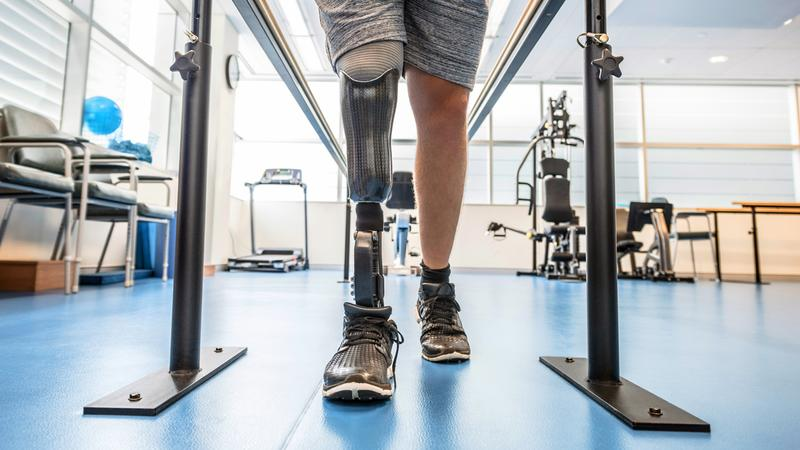
One of the most immediate ways prosthetics services enhance quality of life is by restoring physical mobility. For individuals who have lost a leg, a prosthetic limb can allow them to walk, run, or perform daily tasks independently. Similarly, upper limb prosthetics help with tasks such as eating, writing, or lifting objects. Restoring these physical abilities can significantly reduce dependence on others and enable a more active lifestyle. Over time, the use of prosthetics also helps prevent other health problems that can arise from inactivity, such as muscle weakness, joint stiffness, and poor circulation.
Psychological and Emotional Support
Prosthetics services provide more than just physical solutions—they also offer emotional support. Losing a limb can lead to feelings of grief, frustration, and anxiety. Through counseling, education, and support from prosthetists, patients can build confidence and adjust emotionally to their new circumstances. Wearing a prosthetic limb often gives individuals a sense of normalcy and self-esteem, which positively affects their social life and mental well-being. Being able to participate in activities that were previously impossible can restore a sense of purpose and happiness.
Social and Professional Reintegration
Prosthetics services also help individuals reintegrate into social and professional life. With a functional prosthetic, a person can return to work, attend school, or engage in recreational activities. This reintegration fosters independence and strengthens social connections, which are vital for overall well-being. Being able to interact with others and pursue career goals can restore a sense of identity and reduce feelings of isolation. Prosthetics services often include rehabilitation programs that train individuals to navigate real-world challenges, making the transition smoother and more successful.
Technological Advancements in Prosthetics
Advances in prosthetic technology have made a significant impact on improving quality of life for amputees. Modern prosthetics are lighter, more durable, and more responsive than ever before. Some are designed with robotic or electronic components that allow more natural movement and better control. Prosthetics services ensure that patients have access to these innovative solutions, tailoring them to individual needs. These advancements not only enhance functionality but also improve comfort and confidence, encouraging patients to lead an active lifestyle without limitations.
Conclusion
Prosthetics services play a vital role in enhancing the quality of life for individuals who have experienced limb loss. By restoring mobility, supporting emotional health, and promoting social and professional reintegration, these services help individuals regain independence and confidence. Technological advancements continue to expand the possibilities for prosthetic care, making it possible for people to live active, fulfilling lives. Overall, prosthetics services are not just about replacing a limb—they are about rebuilding life, supporting well-being, and empowering individuals to overcome the challenges of limb loss.