
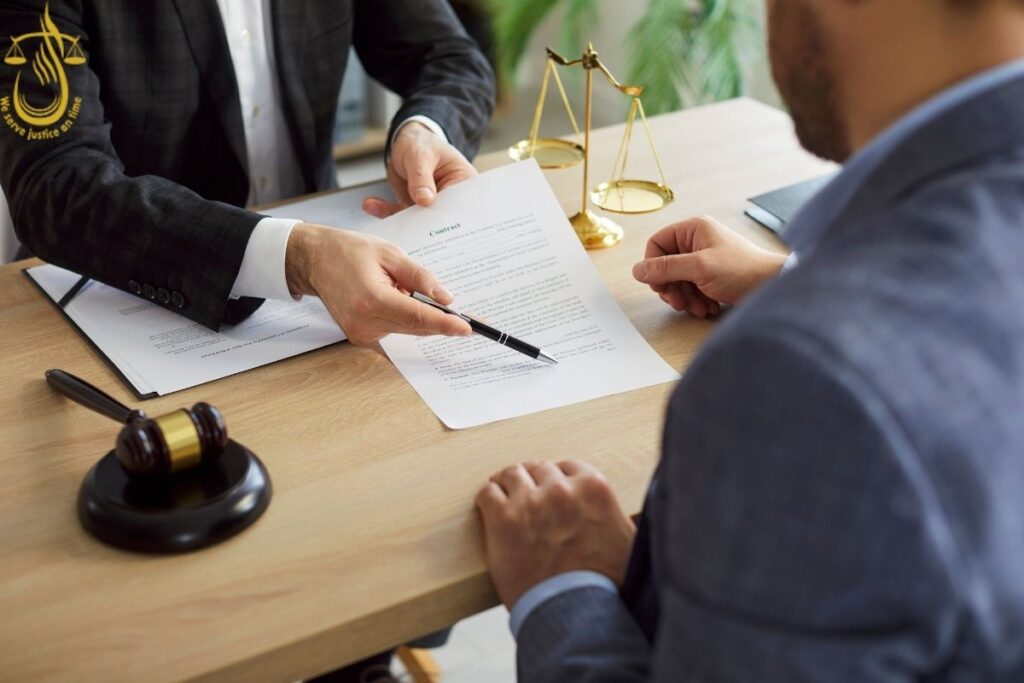
What Part Does a Real Estate Lawyer Play in a Property Division?
Introduction
Legal confirmation of property is an essential stage in the process of completing a real estate transaction, making sure that the title of the property is free from any restrictions. This is crucial for both sellers and buyers to reduce risks and ensure the smooth and legally sound transition of title.
Legal verification of property is an exhaustive examination of the various legal documents and records pertaining to property.
What are the most important actions to take in Legal Verification of Property?
Here are the most important steps for the formal verification and legality of ownership
Title Deed Examination
- A title deed can be an essential document that establishes ownership of the land. It is crucial to confirm that the seller holds an unambiguous and commercially viable title.
- Legal professionals review the ownership chain to ensure that there are no issues or gaps with respect to the transfer of property.
Encumbrance Certificate
- This document contains information about any legal or financial concerns relating to the property.
- The lawyer checks for any mortgages, liens, or pending legal proceedings that might affect the ownership of the property.
Property Tax Receipts and Records
- Making sure that the property tax is current is vital. Legal verification involves checking records and receipts from taxpayers to ensure that there aren’t any outstanding tax obligations.
Land Use and Zoning
- The property’s land usage as well as zoning rules are scrutinized to determine if the current usage is in line with local regulations.
- Any infractions or restrictions that might impact the use of the property are detected and dealt with.
Mutation Records
- Mutation records give details on the changes in ownership. Moreover, it is crucial to confirm that the records of the property at the municipal office in your area reflect the current owner.
Verification of Approved Building Plans
- If the property has structures that are not legal, a professional from the legal profession checks the building plans approved by the legal professional to ensure that they comply with local building codes as well as rules and regulations.
Litigation Search
- A thorough investigation is conducted to find any legal disputes that are pending or lawsuits relating to the property.
- This can include checking court records as well as obtaining an opinion from a lawyer on the potential consequences of any legal matter that is currently in progress.
Environmental Clearances
- Based on the area and the nature of the property, it might be necessary to ensure environmental compliance and get any necessary clearances.
Verification of Possession
- The physical possession of the home by the vendor, and ensuring that there aren’t any disputes with tenants or other owners, is an essential aspect of proving legality.
Verification of Amenities and Common Areas
- At the house is part of a housing development or housing society, the legal verification consists of verifying the rights and ownership related to communal areas as well as amenities.
Conclusion
After you have verified your legal status is completed after which the seller and buyer are able to proceed confidently, being confident that the transfer is legal. Engaging a skilled and knowledgeable legal professional is strongly recommended to ensure an exhaustive and precise examination of all relevant documents and documents.
This helps avoid possible legal problems and protects the rights of all those who are involved in the transaction. For more information on the legal verifiability of a property’s ownership, it’s recommended to speak with an attorney for property in your area. If you live in Kolkata and you are in Kolkata, you should seek out a real estate lawyer from Kolkata.
FAQs
What can you do to determine whether a property is legal?
Here are the steps to verify whether a property is legitimate
- Verify the property’s title through the inspection of the deed, and then take an encumbrance certification to verify any legal obligations.
- Verify the tax records of property owners and confirm compliance with local land usage, Zoning regulations, and building codes.
- Conduct a court search to confirm physical possession and, if appropriate, make sure that environmental clearances are checked for thorough verification.
- What kind of document can be used to prove the worth of the house is worth?
- The document that is used to confirm the worth of a property is known as the “Property Appraisal Report” or “Valuation Report,” prepared by an appraiser who is a certified appraiser.
What are the lawful papers of an asset?
The most important legal documents for a property are documents that are essential to a property’s legal status. Title Deed, Sale Deed, Encumbrance Certificate, and Tax Receipts for Property, Mutation Records, and approved building Plans.
How can I confirm the authenticity of a prospective buyer?
Verify the buyer’s identity by confirming their identity with a government-issued ID, verifying the financial capability of the buyer via documents from banks or preapproval letters as and conducting background checks to determine any financial or legal concerns.